
The Importance of Emotional Support in Elderly Care
- patiencevirtuehome
- Sep 22, 2025
- 3 min read
As people age, their physical health often becomes a primary focus of care. However, emotional well-being is equally important and can significantly impact the quality of life for seniors. Emotional support plays a crucial role in elderly care, helping to maintain mental health, foster social connections, and improve overall happiness. This article explores why emotional support is vital in compassionate care for the elderly and offers practical advice on how to provide it effectively.
Why Compassionate Care Matters in Elderly Support
Compassionate care goes beyond addressing physical needs. It involves understanding and responding to the emotional and psychological challenges that seniors face. Many elderly individuals experience feelings of loneliness, anxiety, or depression due to changes in their lifestyle, health, or social circles. Compassionate care recognizes these feelings and provides comfort, empathy, and encouragement.
Key benefits of compassionate care include:
Improved mental health: Emotional support can reduce symptoms of depression and anxiety.
Enhanced social engagement: Seniors feel more connected and valued.
Better physical health outcomes: Emotional well-being can positively influence physical recovery and health maintenance.
Increased independence: Feeling supported emotionally can boost confidence and motivation.
Providing compassionate care requires patience, active listening, and genuine concern. It is about creating a safe space where seniors feel heard and understood.

How to Provide Emotional Support in Elderly Care
Emotional support can be delivered in many ways, depending on the individual’s needs and preferences. Here are some practical strategies:
Active Listening: Pay close attention when seniors share their thoughts or concerns. Avoid interrupting and show empathy through nodding or verbal affirmations.
Encourage Social Interaction: Facilitate visits with family and friends or participation in community activities to reduce feelings of isolation.
Offer Reassurance: Provide comfort during times of stress or uncertainty by acknowledging their feelings and offering positive encouragement.
Promote Routine and Purpose: Help seniors establish daily routines and engage in meaningful activities like hobbies or volunteering.
Use Positive Communication: Speak kindly and respectfully, avoiding negative or dismissive language.
Be Patient: Understand that emotional responses may vary and require time to process.
Incorporating these approaches into daily care routines can significantly enhance emotional well-being.

What is Home Care for Seniors?
Home care for seniors refers to a range of services provided in the comfort of an elderly person’s home. This type of care supports both physical and emotional needs, allowing seniors to maintain independence while receiving professional assistance.
Home care services may include:
Personal care (bathing, dressing, grooming)
Medication management
Meal preparation and nutrition support
Light housekeeping
Transportation to appointments
Companionship and emotional support
One of the greatest advantages of home care is the personalized attention seniors receive. Caregivers can tailor their approach to meet the unique emotional and physical needs of each individual. This personalized care often leads to better outcomes and higher satisfaction.
For families seeking compassionate senior care, home care offers a flexible and effective solution that respects the dignity and preferences of their loved ones.
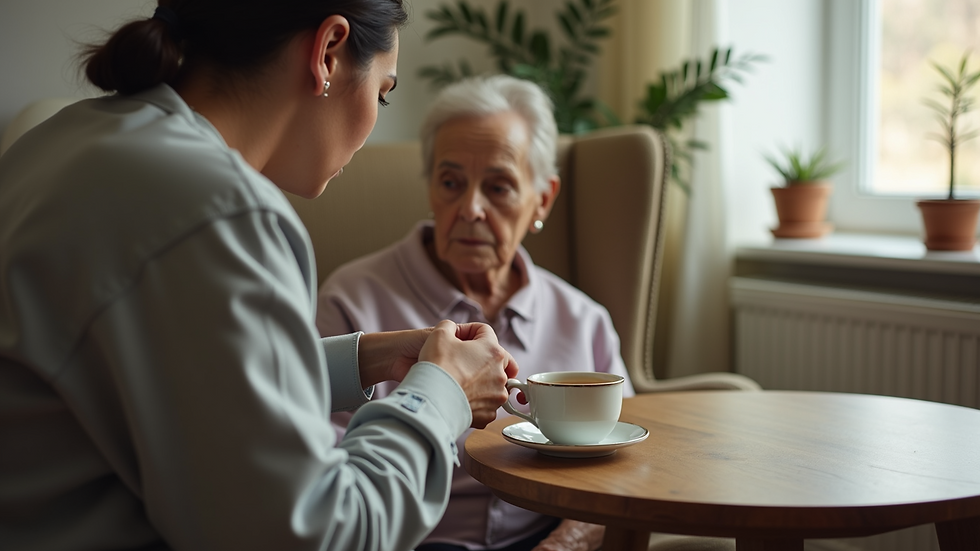
The Role of Family and Friends in Emotional Support
Family members and friends play a vital role in providing emotional support to elderly loved ones. Their involvement can complement professional care and create a strong support network.
Ways family and friends can help include:
Regular phone calls or video chats to stay connected
Visiting frequently to provide companionship
Assisting with daily tasks to reduce stress
Encouraging participation in social activities
Listening and validating feelings without judgment
It is important for family and friends to recognize signs of emotional distress, such as withdrawal, mood changes, or loss of interest in activities. Early intervention can prevent more serious mental health issues.
Open communication between family, friends, and caregivers ensures that emotional needs are met consistently and effectively.
Creating a Supportive Environment for Emotional Well-Being
A supportive environment is essential for fostering emotional health in seniors. This includes both the physical surroundings and the social atmosphere.
Tips for creating a supportive environment:
Comfortable and familiar spaces: Personalize living areas with favorite items and photos.
Safe and accessible home: Reduce hazards to prevent accidents and promote independence.
Opportunities for socialization: Arrange group activities or outings.
Encouragement of self-expression: Provide outlets like art, music, or journaling.
Consistent routines: Help seniors feel secure and reduce anxiety.
Caregivers and family members should work together to maintain an environment that nurtures emotional well-being.
For those interested in professional assistance, compassionate senior care services can provide expert support tailored to emotional and physical needs.
Supporting Emotional Health is a Lifelong Commitment
Emotional support in elderly care is not a one-time effort but a continuous process. As seniors’ needs evolve, so should the care strategies. Regular assessment and adaptation ensure that emotional well-being remains a priority.
By combining professional care, family involvement, and a nurturing environment, seniors can enjoy a higher quality of life filled with dignity, respect, and joy.
Investing in emotional support is investing in the whole person - body, mind, and spirit. This holistic approach is the foundation of truly compassionate care for the elderly.


Comments